
The Emperor’s Chambers
The Emperor's Chambers is a series of staged and digitally constructed images examining gender as a cultural construction — the mask overlaid upon the human body, and what happens when that mask is quietly, absurdly removed.
The series takes its title from Hans Christian Andersen's parable of collective self-deception: the emperor who parades naked while everyone around him maintains the fiction that he is clothed, until a child names what is plainly visible. The images apply that logic to the body itself — presenting figures whose biological sex and culturally assigned gender do not align, in spaces where the enforcement of that alignment is most explicit and most acutely felt: the public toilet, the changing room, the bathroom mirror.
This work is made from a position that holds human biological sex as binary and distinct from gender, which is understood as a biopsychosocial phenomenon — plastic rather than fixed. The subject of the series is not the difference between male and female bodies, which is real. It is the cultural architecture built upon that difference — and the rigidity that architecture enforces, which the biology itself does not demand. The two polarised positions in contemporary gender debate are understood here as a false dichotomy. This work inhabits the space between them: in the tension between what a body is biologically and what it is made to mean culturally.
The bodies in these images are neither political statements nor provocations. They are visual arguments. The dissonance they produce is intended to be calmly disconcerting rather than outrageous — the experience of something you thought you already understood, quietly and absurdly declining to be understood in quite that way anymore.
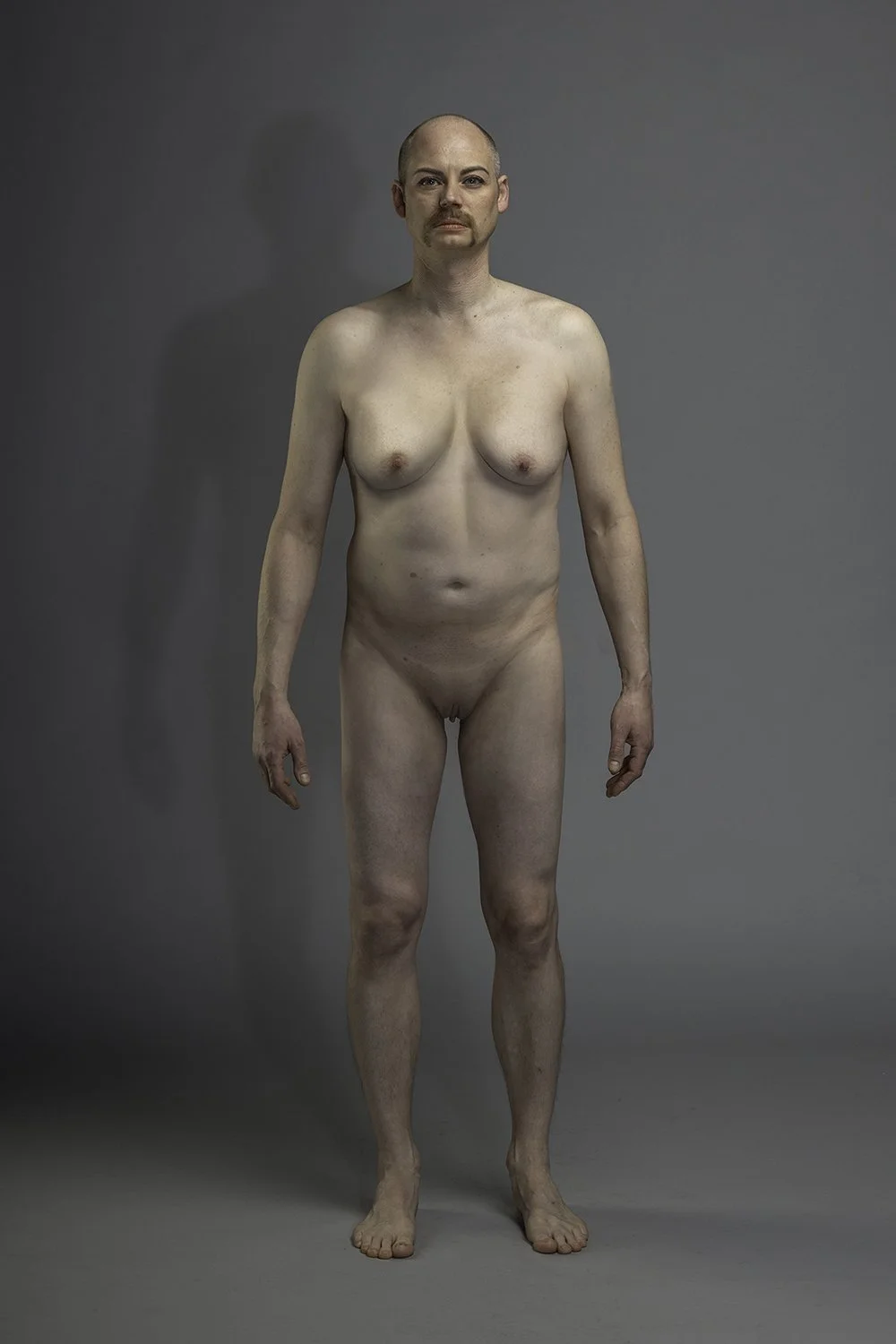
The Emperor's New Clothes
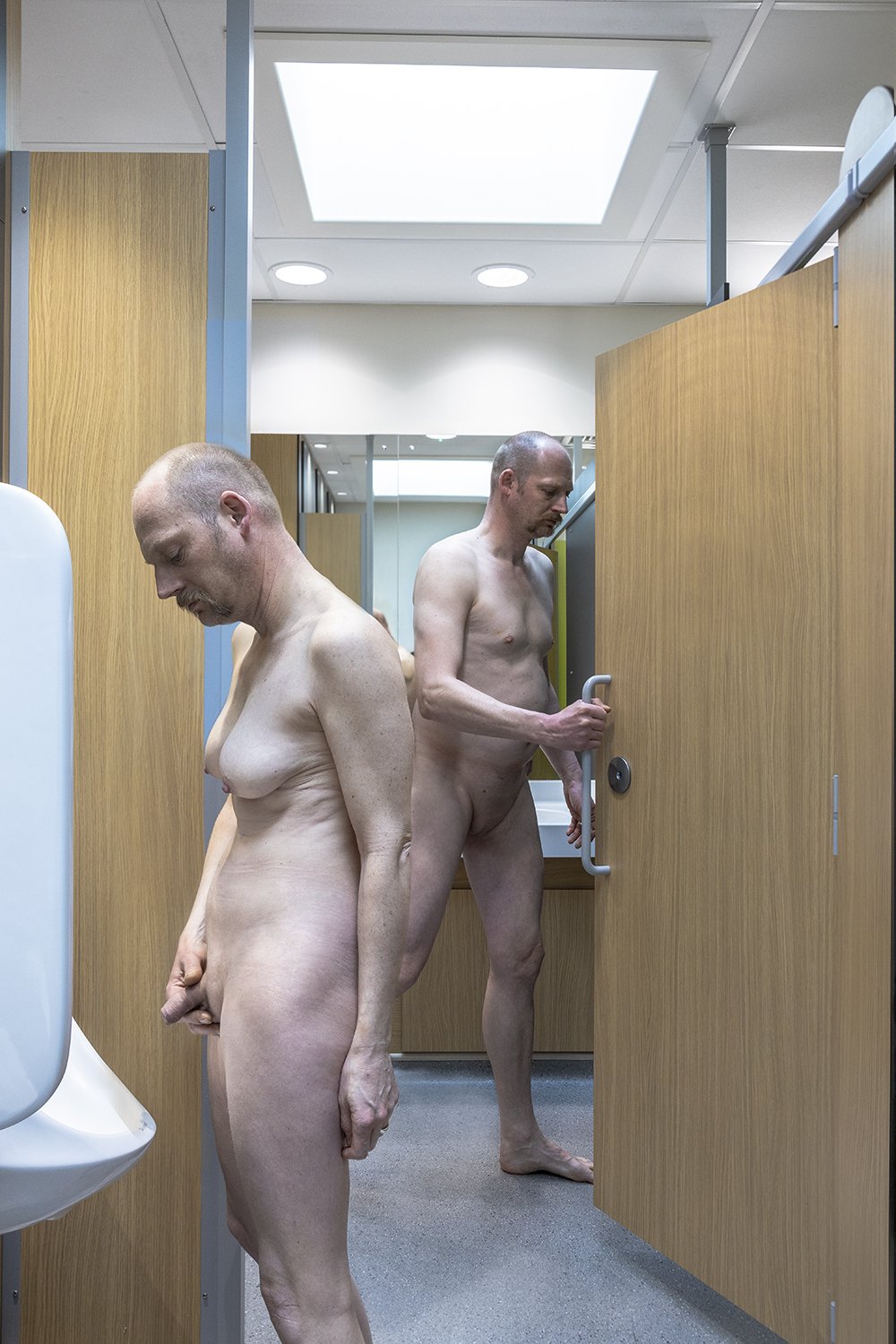
The Emperor's Chamber No.1
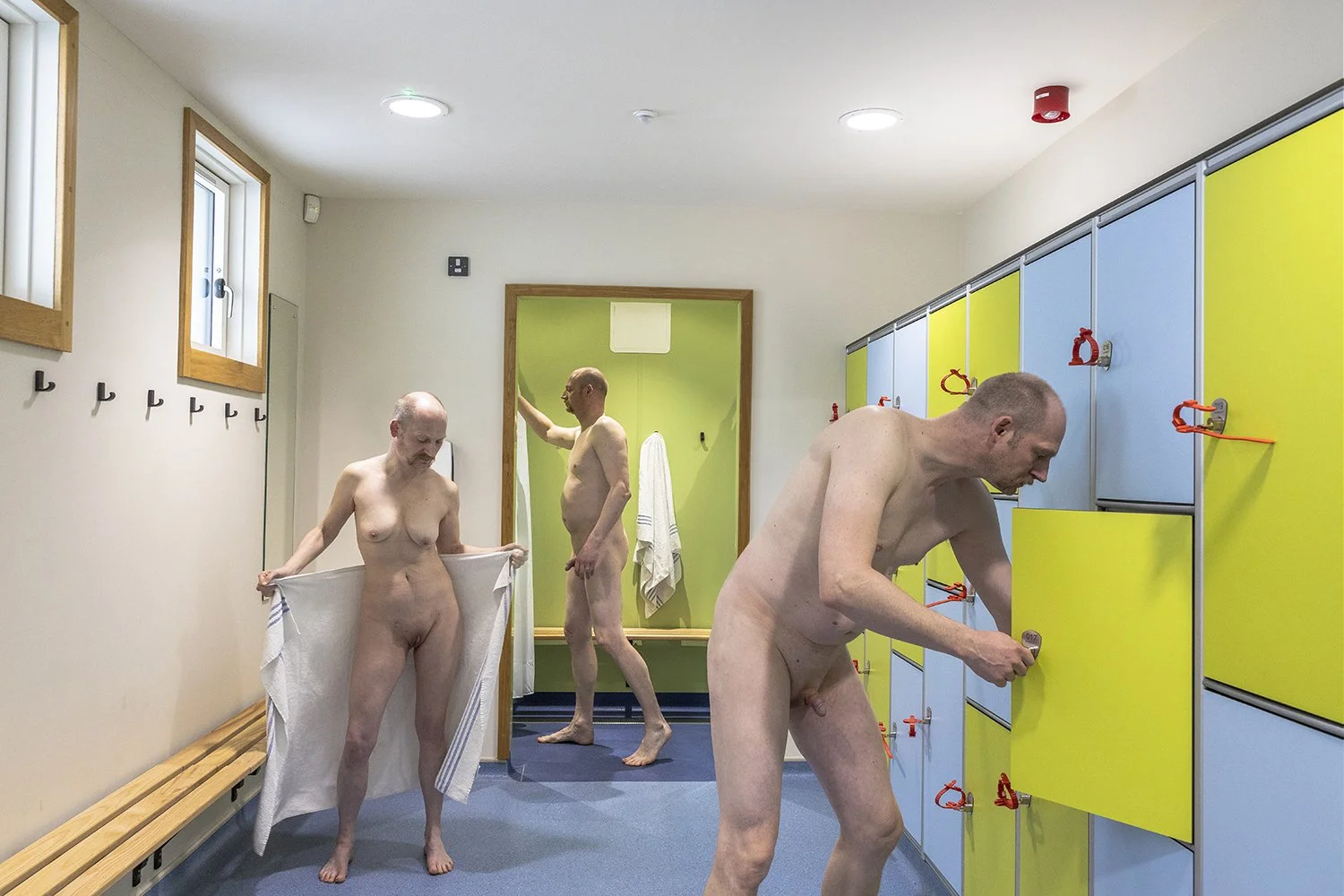
The Emperor's Chamber No.2
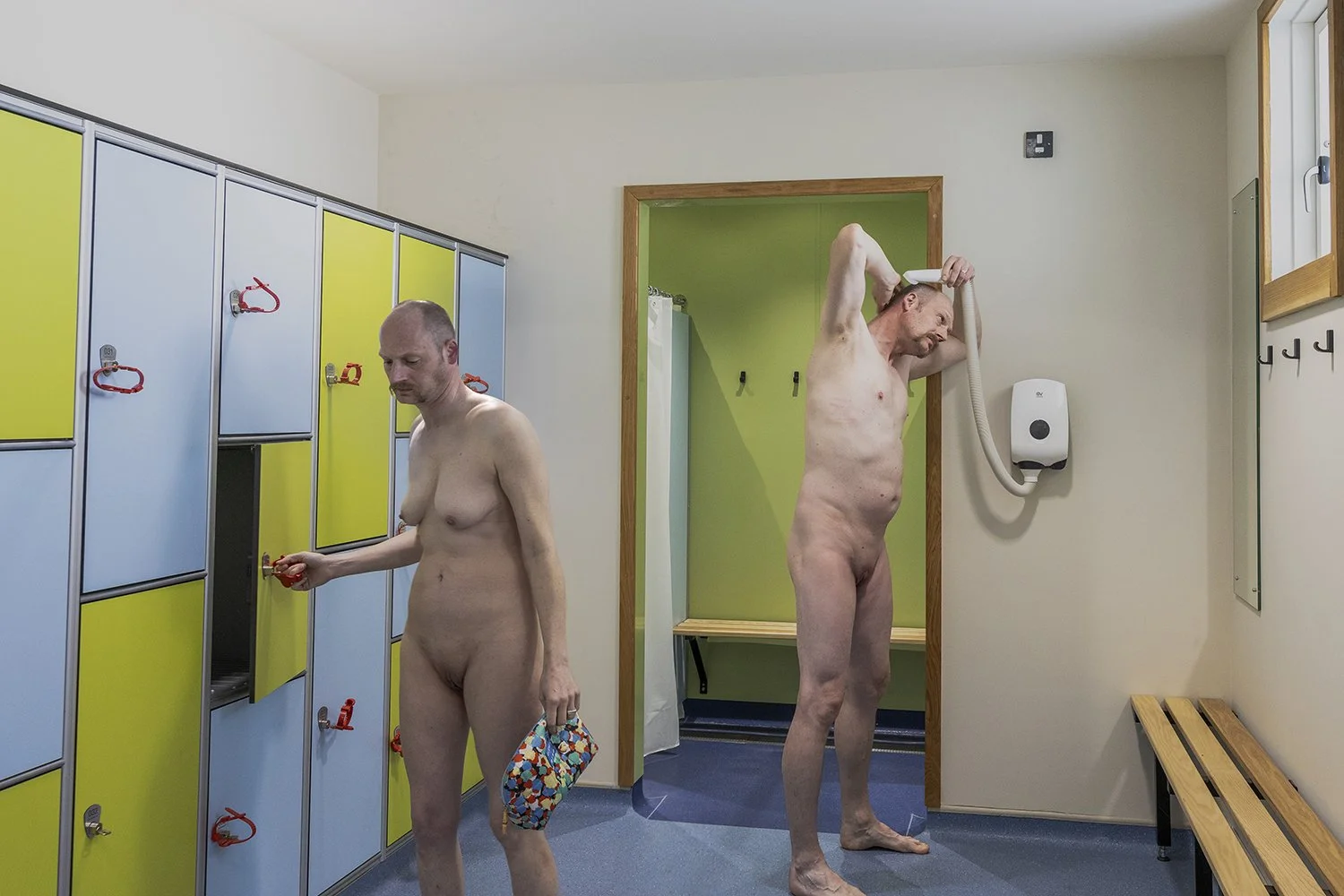
The Emperor's Chamber No.3
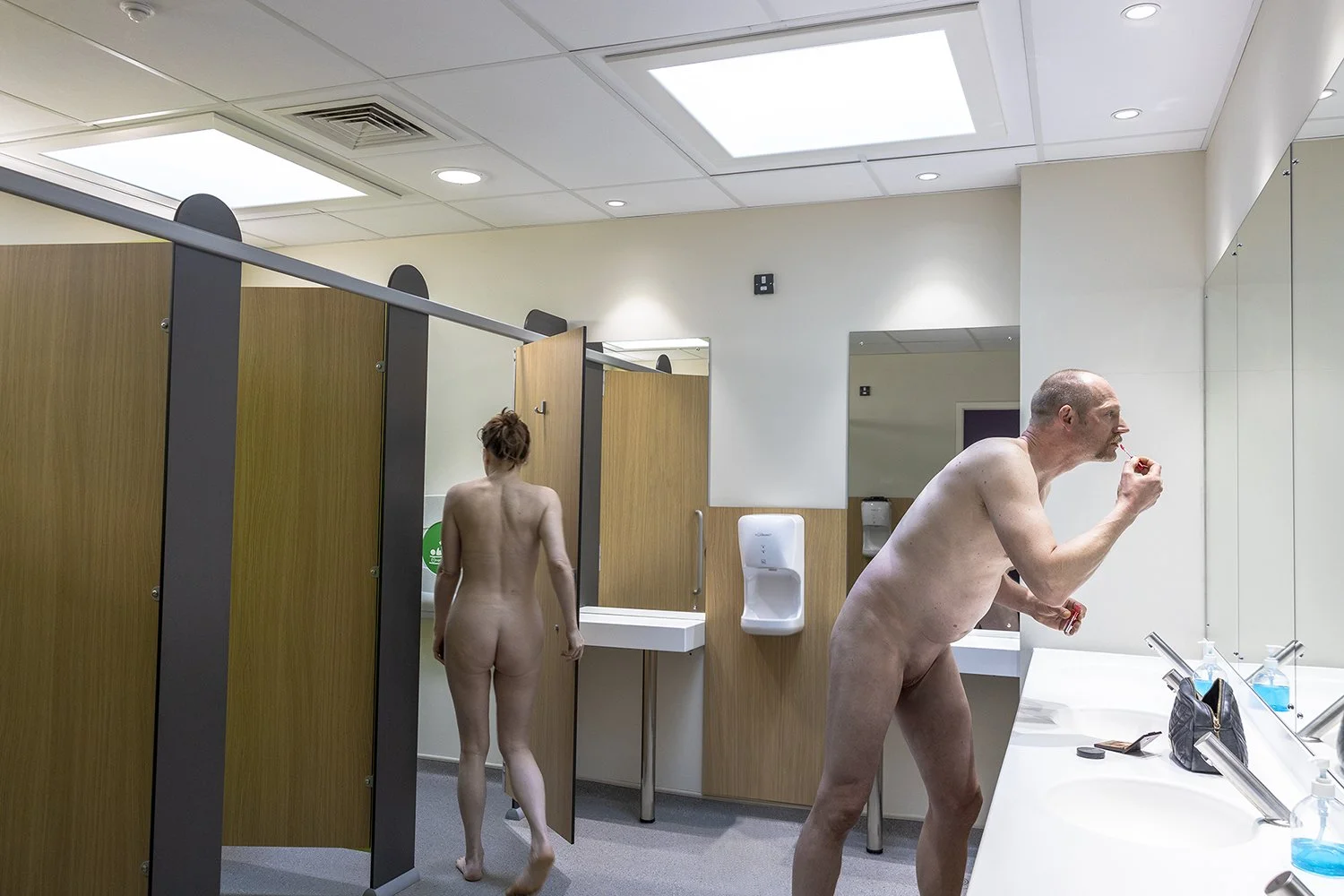
The Emperor's Chamber No.4
An interview with/by the artist — Jack of Hearts II
On biological sex, gender, and the space between
There is a question this work keeps being asked. This second conversation between my two selves attempts to answer it properly.
The question concerns where I stand in relation to one of the most contested debates in contemporary culture — the relationship between biological sex and gender identity. My position is not easily accommodated by either pole of that debate, which is precisely why I wanted to address it directly.
I hold human biological sex to be binary in a specific and meaningful sense — sexual reproduction in humans requires an egg and a sperm — and distinct from gender, which I understand as a biopsychosocial phenomenon, shaped by biology, psychology and culture simultaneously, and plastic rather than fixed. I reject the social constructionist position that sex itself is a social construction, which I consider a category error. I equally reject biological determinism and sex essentialism. The two extreme positions represent a false dichotomy.
My work inhabits the space between them — in the tension between what a body is biologically and what it is made to mean culturally. That space is where most of us actually live. The polarised debate treats it as a battleground. I treat it as a subject.
This film is the second in a series of conversations conducted between two AI avatars generated from the artist's likeness. The format — one self interviewing the other — extends the autoethnographic and doubled-self logic that runs through the practice as a whole. The interviewer and the subject are the same man. Whether either of them is telling the whole truth is, as always, a matter for the viewer to decide.
This is a second iteration. The conversation continues.