
2021-2025
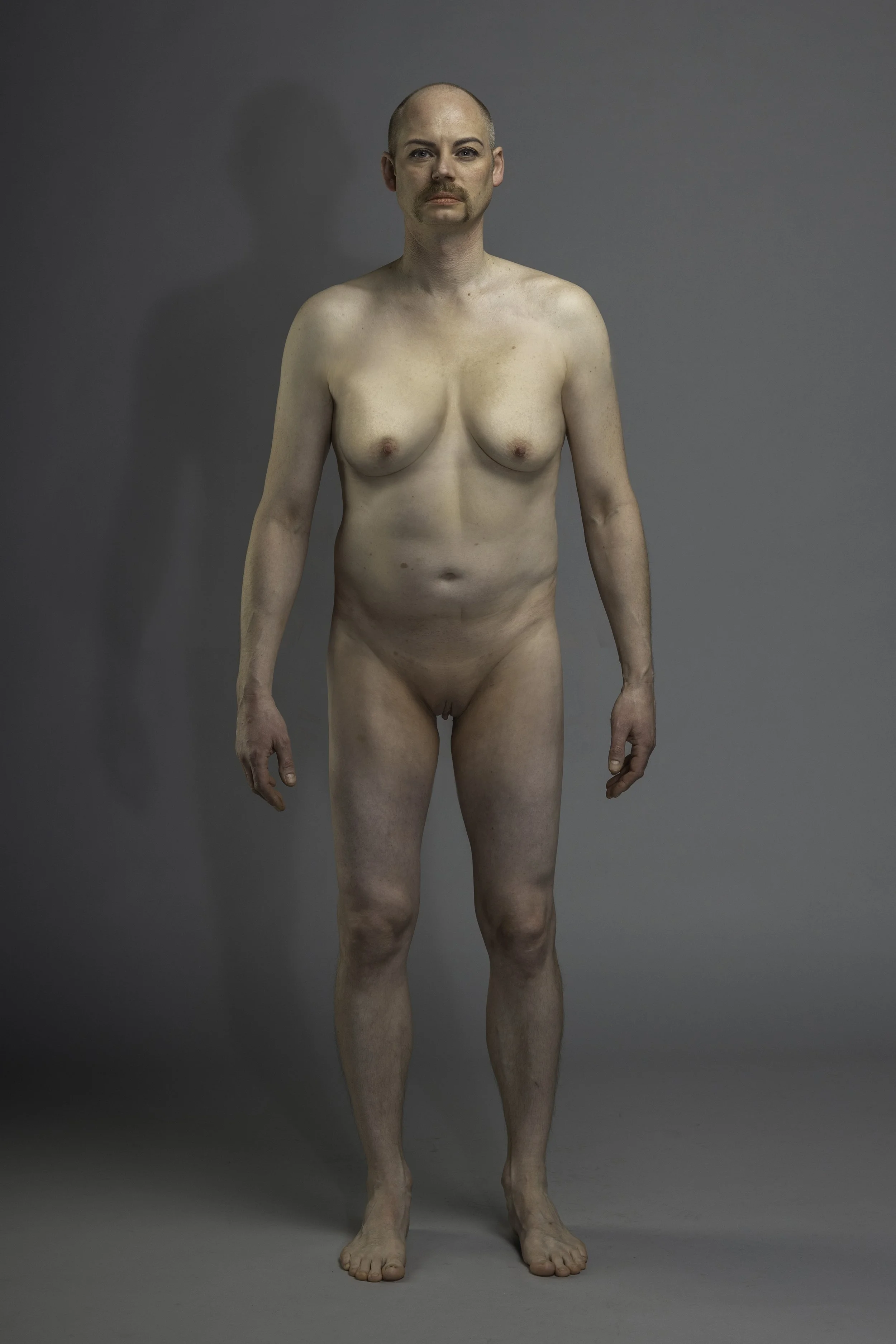
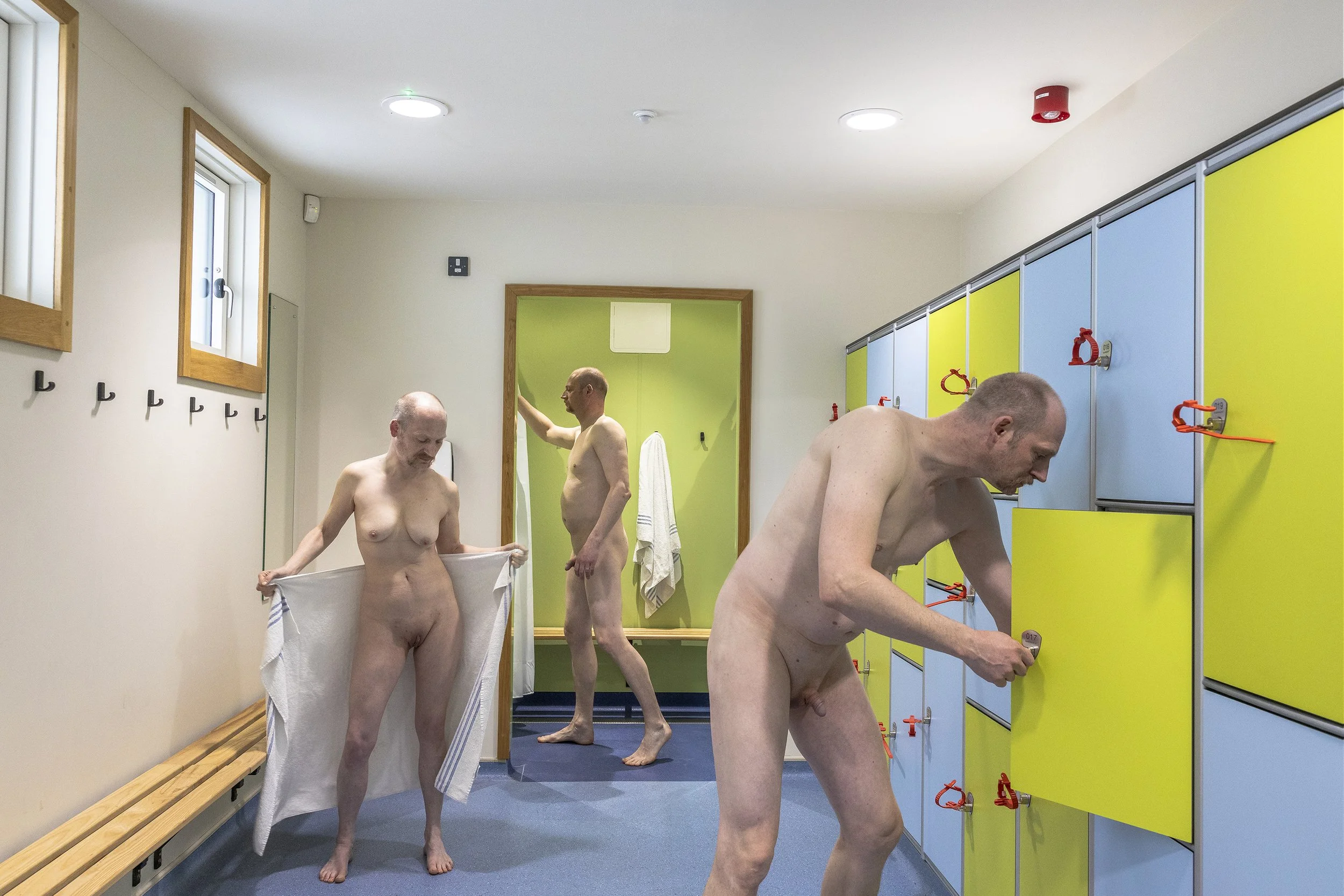
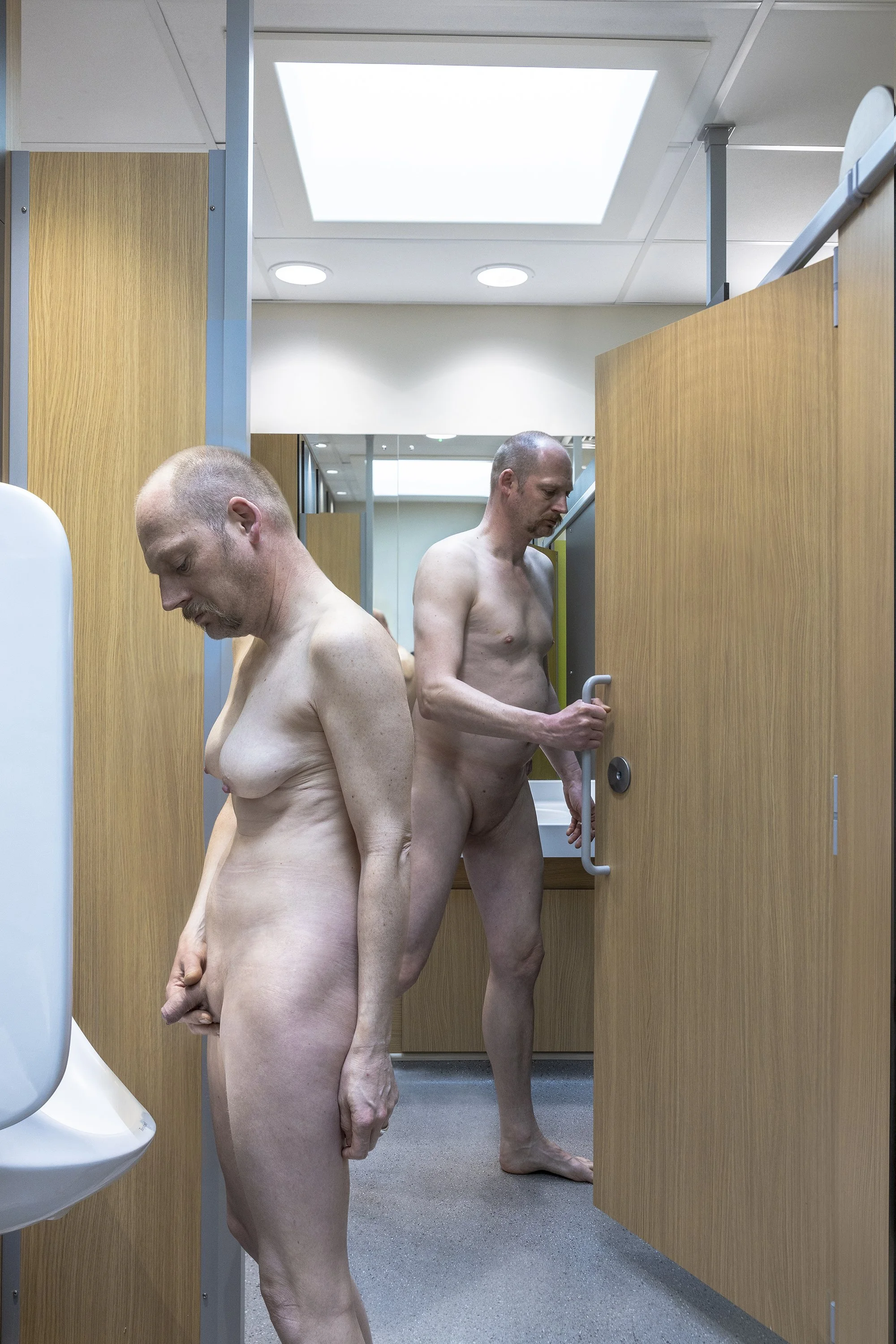
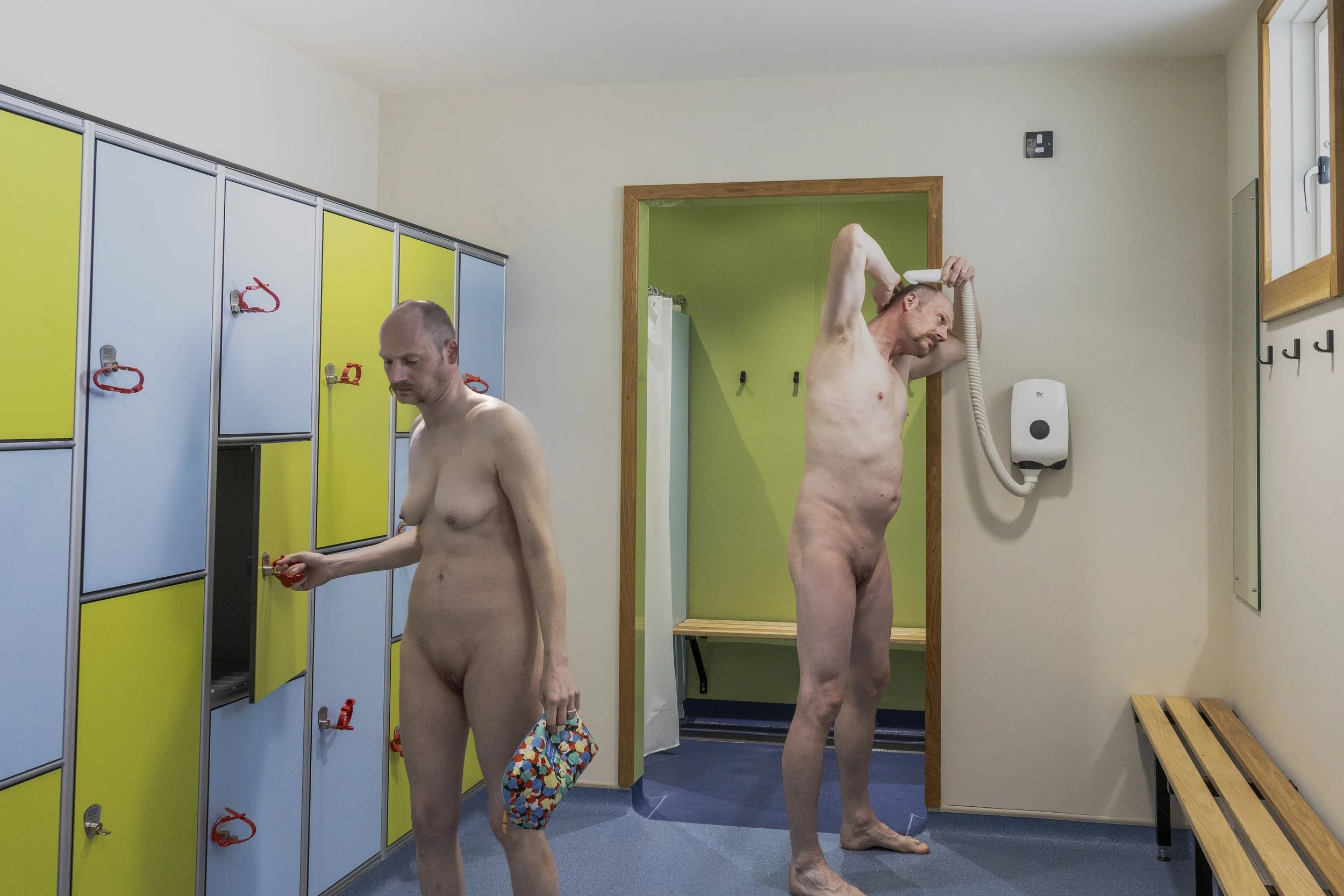
The Emperor’s New Clothes, Hands Christian Anderson, 1873
This tale concerns an emperor who has an obsession with fancy new clothes, and spends lavishly on them, at the expense of state matters. One day, two con-men visit the emperor's capital. Posing as weavers, they offer to supply him with magnificent clothes that are invisible to those who are either incompetent or stupid. The gullible emperor hires them, and they set up looms and pretend to go to work. A succession of officials, starting with the emperor's wise and competent minister, and then ending with the emperor himself, visit them to check their progress. Each sees that the looms are empty but pretends otherwise to avoid being thought a fool.
Finally, the "weavers" report that the emperor's suit is finished. They mime dressing him and he sets off in a procession before the whole city. The townsfolk uncomfortably go along with the pretense, not wanting to appear inept or stupid, until a child blurts out that the emperor is wearing nothing at all. The people then realize that they have all been fooled. The emperor is startled, but opts to continue the procession.
On April 16, 2025, the UK Supreme Court ruled that the terms "sex," "man," and "woman" in the Equality Act 2010 refer to biological sex, not a person's gender identity or their Gender Recognition Certificate (GRC) status. The judgment in the case of For Women Scotland v The Scottish Ministers confirmed that a trans woman is legally considered a biological man under the Equality Act, and a trans man is a biological woman. The ruling does not remove legal protections for transgender people against discrimination and harassment, which continue to be protected under the Act based on their gender reassignment.
IOC framework (Nov 2021): The International Olympic Committee published a new Framework on fairness, inclusion and non-discrimination on the basis of gender identity and sex variations. The IOC moved from blanket testosterone-based rules to a framework recommending sport-by-sport, evidence-based policies that balance fairness, inclusion and non-discrimination.
As the governing bodies for each sport considered and revised their own policies to bring them into line with the IOC recommendations the debate was enlivened each time with vocal proponents on either side. This story, or the stories of each sport defining its position would run on, continuing throughout next few years.
DfE Schools Guidance (Dec 2023): The Department for Education publishes guidance for schools in England regarding children expressing wishes to undertake gender transitions.
Media coverage clustered on schools/legal duties and parental involvement - this produced a multi-week news cycle driven by DfE text, legal commentary, school leaders and human rights lawyers.
Cass Review - the Tavistock GIDS Clinic (Mar 2024): The Cass Review had been commissioned to respond to questions about the suitability and appropriateness of care provided to young people at the Tavistock Gender Identity Development Service National Clinic (England and Wales). The findings of the report and the issues it identified led to the closure of the clinic which was replaced by regional GIDS.
A great deal of news content was generated by the publication of the report - the dominant narratives were about clinical oversight, weak evidence base, and institutional failures; this drove sustained national conversation and political reaction.
NHS/DHSC ban on Puberty-blockers (Dec 2024): It is announced that following expert’s advice, the National Health Service and Department for Health and Social Care will now ban the use of puberty-blockers for under-18’s across the UK indefinitely (prescribing having been paused in March 2024 awaiting the decision).
This decision along with the Cass Review and DfE Schools Guidance produced repeated media cycles, increased public engagement and (in specific question polling) moved public opinion toward greater scepticism on medical interventions for children.